Benefits of Aquatic Physiotherapy (Hydrotherapy) for Kids
Aquatic Physiotherapy vs Hydrotherapy: What’s the Difference?
Aquatic physiotherapy is a form of hydrotherapy delivered by a qualified physiotherapist. It involves:
Individualised treatment plans
Clinical assessment and goal setting
Evidence-based therapeutic exercises
Monitoring and progression of outcomes
In paediatric care, aquatic physiotherapy is used to support children with neurological conditions, developmental delays, musculoskeletal challenges, and post-surgical recovery — all within a safe, warm-water environment
Key Benefits of Aquatic Physiotherapy for Kids
1. Reduced Joint and Muscle Strain
Water supports the body, making it easier for children to move without placing stress on joints and muscles. This is especially helpful for children with hypermobility, or post-surgical recovery needs.
2. Improved Strength and Endurance
The natural resistance of water helps build muscle strength and cardiovascular endurance in a low-impact way. Children can work harder without feeling the strain they might experience on land.
3. Enhanced Balance and Coordination
Water challenges the body’s balance in a safe and controlled environment. This helps children develop better postural control, core stability, and coordination.
4. Sensory Regulation and Relaxation
Warm water can have a calming effect on the nervous system, making hydrotherapy ideal for children with sensory processing challenges or anxiety. It promotes relaxation while engaging the body.
5. Boosted Confidence and Independence
Many children feel more confident in water, especially when they experience success in movement. This can translate into improved self-esteem and motivation in other areas of life.
Who Can Benefit from Aquatic Physiotherapy?
Hydrotherapy is suitable for children with a wide range of needs, including:
Cerebral palsy and other neurological conditions
Developmental delays
Gross motor skill challenges
Hypermobility and joint instability
Post-operative rehabilitation
Why Choose Aquatic Physiotherapy?
Aquatic physiotherapy is not just about exercise in water — it’s a targeted, evidence-based therapy that supports your child’s unique goals. With the guidance of experienced paediatric physiotherapists, each session is tailored to your child’s abilities and needs, ensuring therapy is both effective and enjoyable.
Looking for aquatic physiotherapy in Canberra?
We offer weekly term-time sessions, school holiday intensives, and personalised care plans to help your child thrive in and out of the water.
Frequently Asked Questions About Paediatric Aquatic Physiotherapy
1. What is aquatic physiotherapy and how is it different from swimming lessons?
Aquatic physiotherapy is a form of therapeutic exercise conducted in warm water by a qualified physiotherapist. Unlike swimming lessons, it focuses on rehabilitation, motor development, and physical function, tailored to each child’s specific needs.
2. Is aquatic physiotherapy (hydrotherapy) safe for children with neurological or developmental conditions?
Yes. Hydrotherapy is especially beneficial for children with neurological conditions such as cerebral palsy or developmental delays. The water provides a safe, low-impact environment that supports movement and reduces physical strain.
3. What age can children start aquatic physiotherapy?
Children can begin aquatic physiotherapy from infancy, depending on their condition and goals. Our paediatric physiotherapists assess each child individually to ensure the therapy is appropriate and beneficial.
4. How often should my child attend aquatic physiotherapy sessions?
Frequency depends on your child’s goals and needs. We offer weekly/fortnightly term-time sessions for ongoing support and intensive blocks during school holidays for accelerated progress.
5. What conditions can aquatic physiotherapy be useful for?
Aquatic physiotherapy can help children with:
Cerebral palsy
Juvenile Arthritis
Developmental delays
Hypermobility
Post-surgical recovery
Gross motor challenges
Discover more services
-
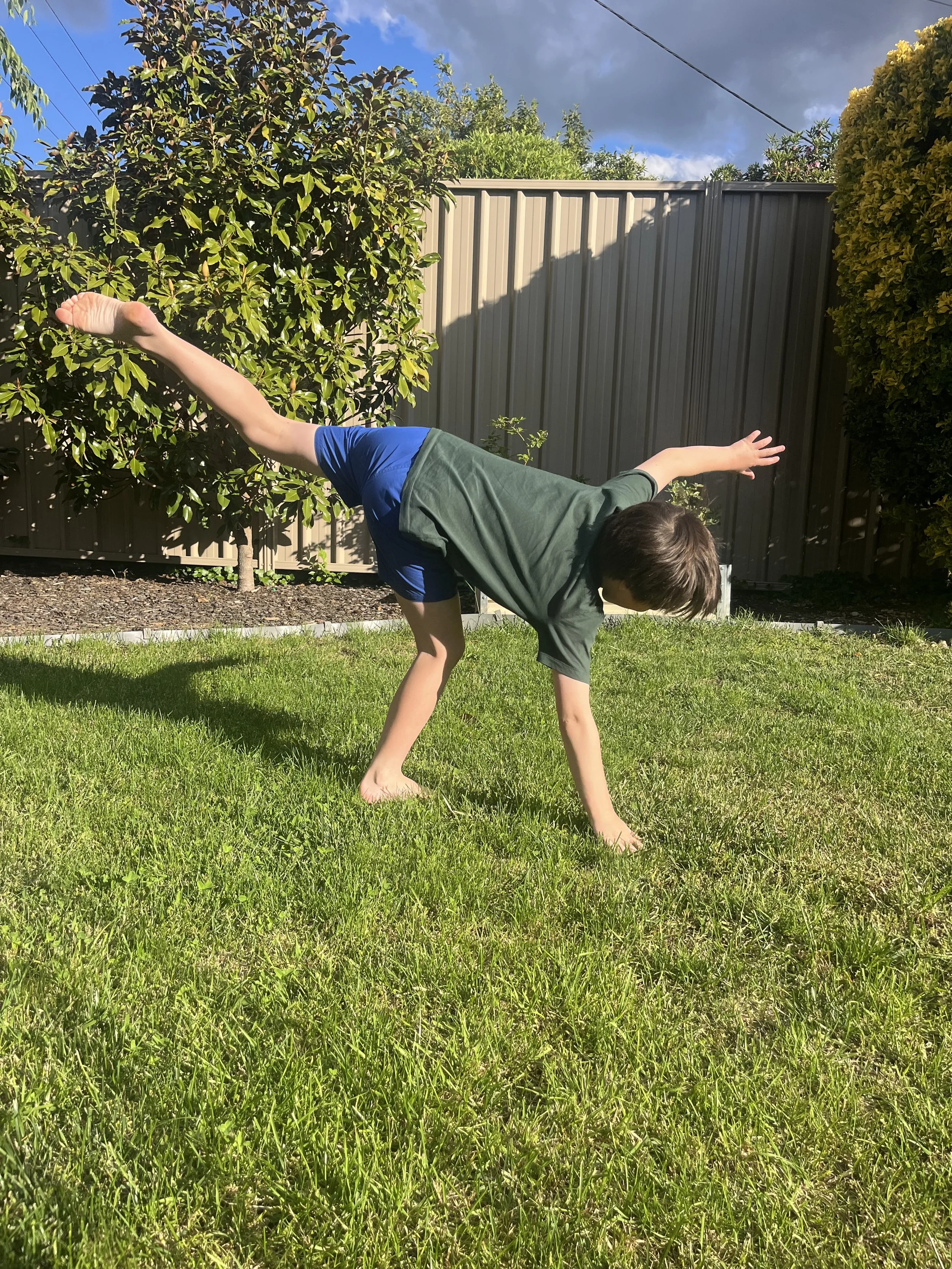
![A boy outdoors on a grassy lawn, balancing on his hands with one leg raised in the air, wearing a green t-shirt and blue shorts, with trees and a metal fence in the background.]()
Gross motor skill development
Targeted support to help children improve balance, coordination, and movement patterns. Perfect for kids who need help with running, jumping, or navigating playgrounds.
-
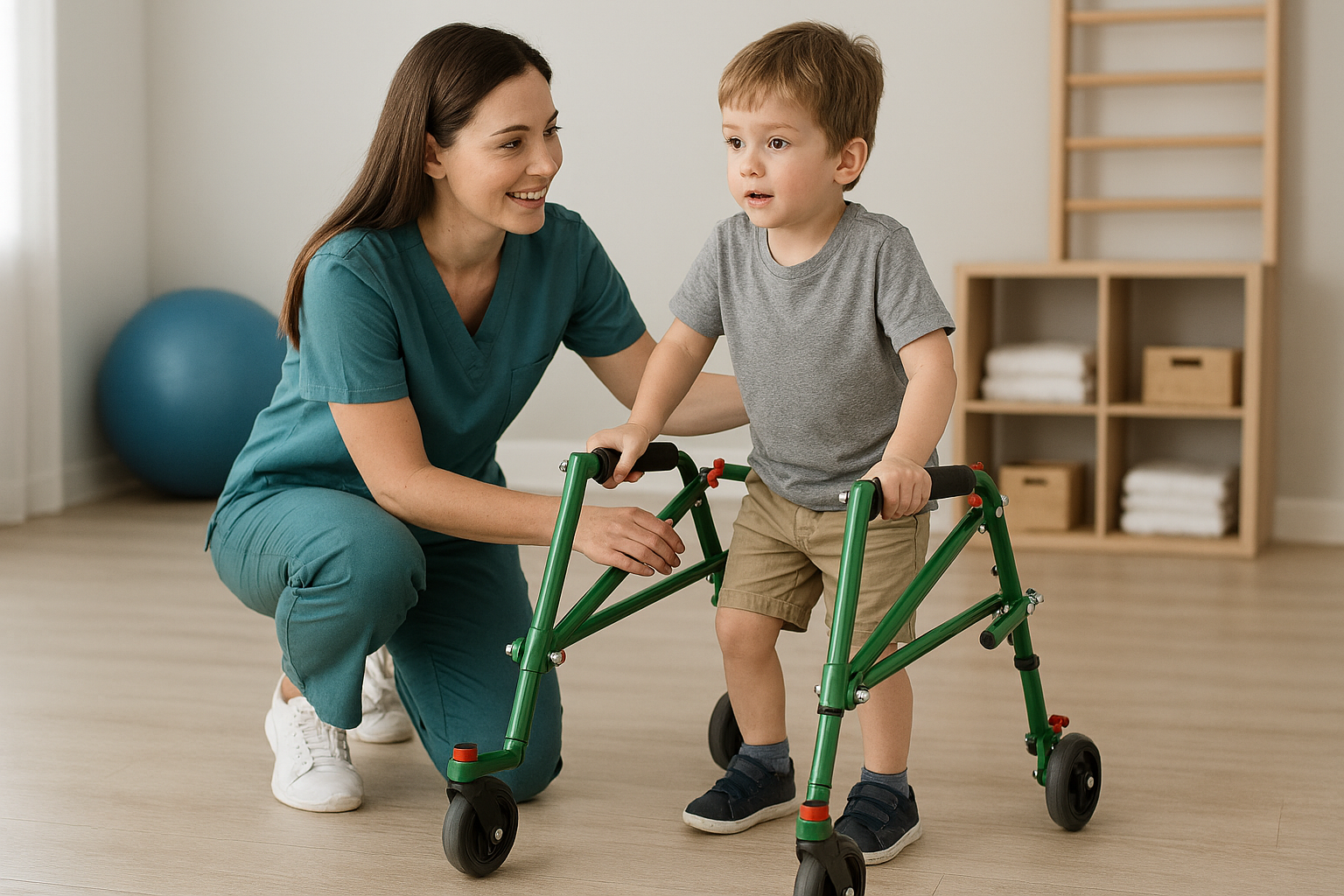
![A pediatric physical therapist helping a young boy practice walking with a green walker in a therapy room.]()
Neurological rehabilitation
Our neurological rehab programs support children with conditions such as cerebral palsy, brain injury, stroke, or genetic disorders. We focus on improving movement, coordination, and independence through personalised therapy plans that evolve with your child’s needs.
-
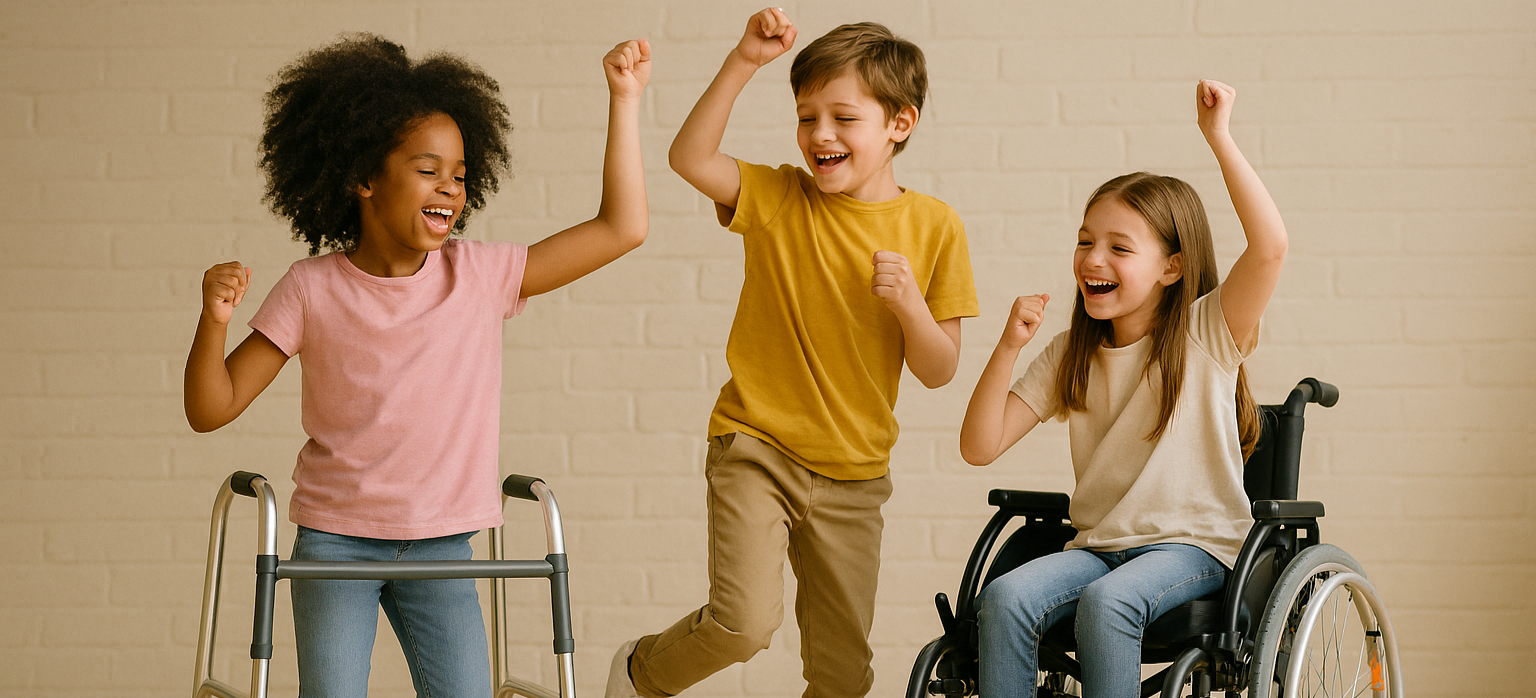
![Three children celebrating and smiling, with two girls in wheelchairs and a boy jumping in the middle.]()
Group programs
Group physiotherapy gives children the chance to practise motor skills in a dynamic, social setting. Learn about our upcoming group sessions for 2026
-
![A wooden mannequin sitting on the edge of a closed toilet lid with white walls in the background.]()
Paediatric continence
Paediatric continence physiotherapy supports children aged five and over with bladder and bowel control issues such as bedwetting, daytime leaks, constipation, and toileting delays.
-
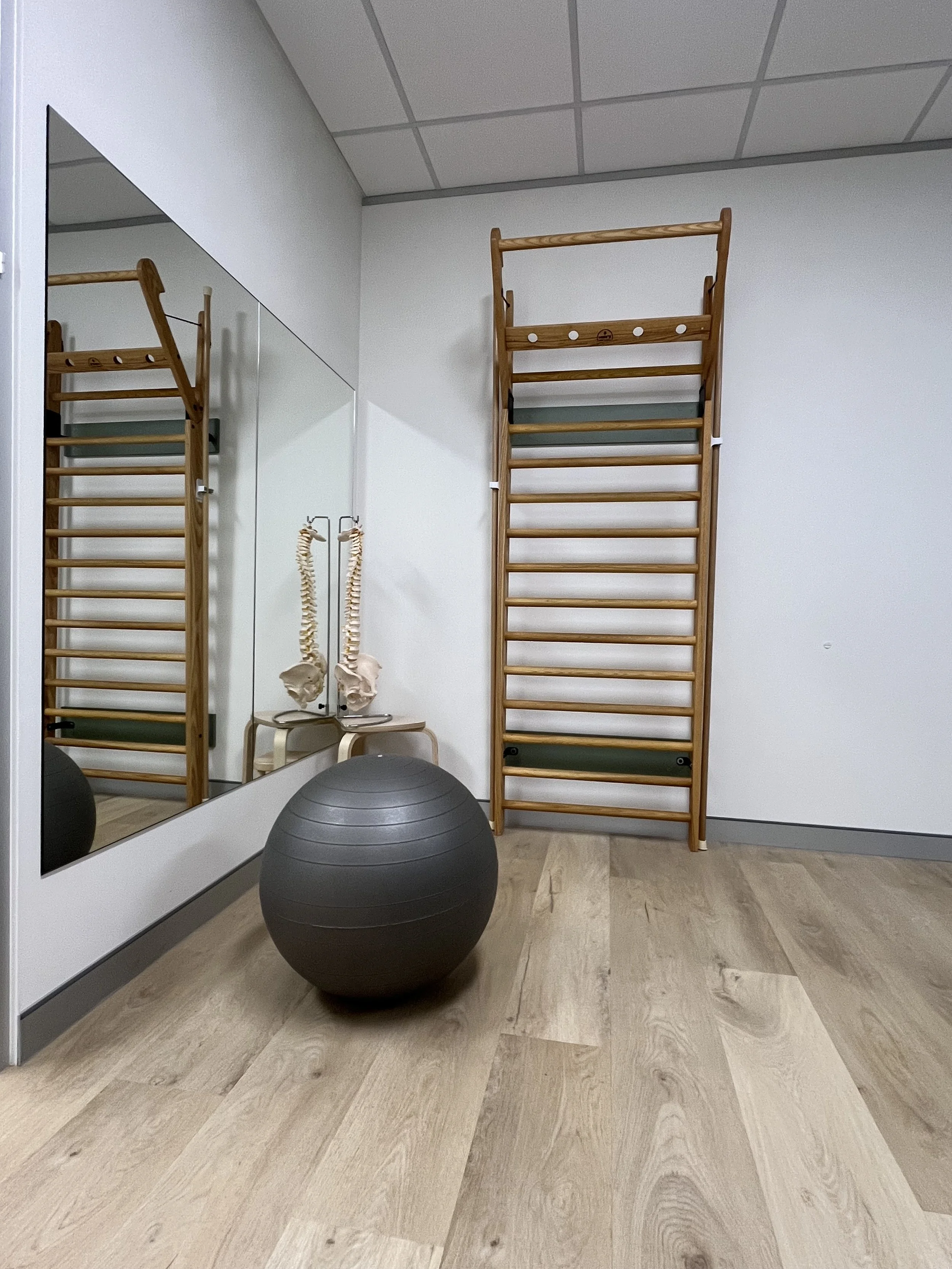
![A room with a large mirror on the wall, a gray exercise ball on the floor, a wall-mounted wooden stall bar, and two anatomical models of the human spine and pelvis on small stools.]()
Posture and scoliosis screening
If you’ve noticed changes in your child’s posture or have concerns about spinal alignment, we’re here to help. Our physiotherapists can assess for scoliosis and other paediatric postural conditions, and provide practical advice and early strategies to support healthy growth and movement.