
Toilet Training Support for Children:
The Role of Paediatric Physiotherapy in Achieving Continence
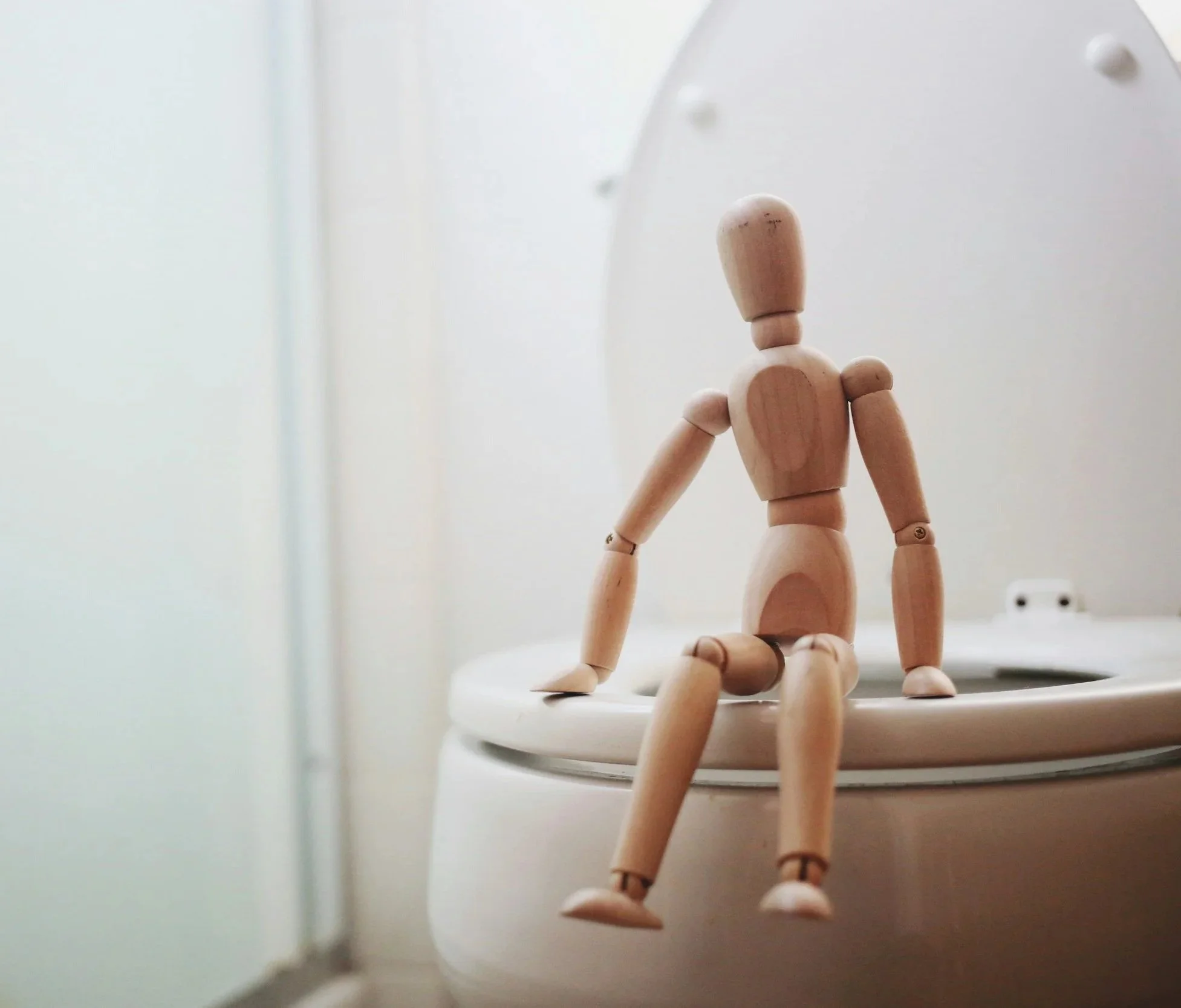
Achieving continence, which means staying dry during the day and night, is a key developmental milestone for children. While many children naturally develop bladder and bowel control, others may face challenges due to muscle weakness, coordination difficulties, sensory processing differences, or underlying medical or developmental conditions.
This is where paediatric physiotherapy can play a vital role. Physiotherapists help children build the strength, awareness, and confidence needed to achieve continence and succeed with toilet training.
What Is Continence and Why Is It Important?
Continence refers to the ability to control bladder and bowel movements. Delays in achieving continence can affect a child’s physical comfort, emotional wellbeing, and social participation. Early support can make a significant difference.
How Physiotherapy Helps with Continence and Toilet Training
Paediatric physiotherapists take a whole-body approach to continence care. They assess how a child’s bladder and bowel are functioning, identify contributing factors to toileting difficulties, and develop individualised strategies to support progress.
Key ways physiotherapy can help include:
Improving core and pelvic floor strength: Strong, coordinated muscles are essential for effective bladder and bowel control.
Supporting posture and toilet positioning: Children may struggle to sit comfortably or maintain the correct position on the toilet. Physiotherapists can recommend supportive seating and teach optimal posture.
Enhancing body awareness and sensory processing: Some children, especially those with sensory challenges, may not recognise the body’s signals for needing the toilet. Physiotherapy can improve sensory awareness and timing.
Encouraging regular movement and physical activity: Movement helps improve bowel motility and reduce constipation, a common contributor to continence issues.
Toilet Training for Children with Special Needs
Children with developmental delays, physical disabilities, or neurological conditions may require a tailored approach to toilet training. Paediatric physiotherapists collaborate with families and healthcare teams to create customised toilet training programs that suit each child’s abilities and learning style.
Support may include:
Designing a personalised toilet training plan
Recommending toilet aids or adaptive seating
Teaching relaxation and breathing techniques
Building confidence and routine for consistency
Working Together for Continence Success
Achieving continence is a team effort involving the child, family, school, and healthcare professionals. With the right support, children can make meaningful progress toward independent toileting.
If your child is experiencing challenges with bladder or bowel control, or if you’re seeking guidance on toilet training, a paediatric physiotherapist can provide assessment and practical strategies to help your child succeed.
What to Expect at Your Child’s Initial Continence Appointment
At Country Children’s Physiotherapy, the first continence appointment is a warm, supportive session focused on understanding your child’s unique needs and setting them up for success. During this appointment, we will:
Discuss your child’s bladder and bowel habits, diet, toileting history, and any previous strategies used
Review relevant medical and developmental information
Conduct a physical assessment which may include posture, core strength and stability, balance , and movement patterns
Observe body awareness and sensory responses related to toileting
Provide practical advice on toilet positioning, strengthening exercises, and daily routines
Develop a personalised continence plan with clear next steps and home-based strategies
Our goal is to help your child build confidence, comfort, and independence with toileting in a way that suits their individual abilities and learning style.